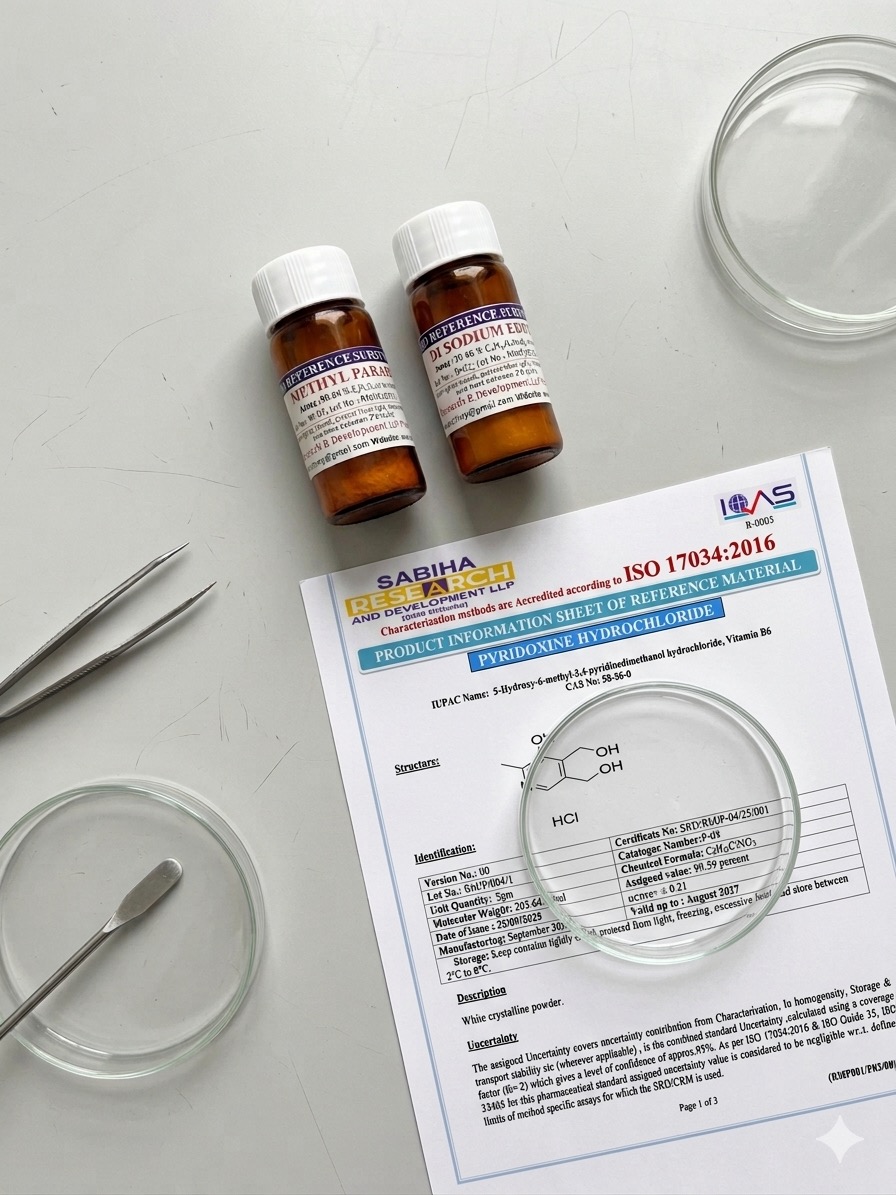
When purchasing or using Certified Reference Materials (CRMs), one of the most important documents laboratory professionals should understand is the Certificate of Analysis (CoA).
A Certificate of Analysis provides essential information about a reference material, including its identity, certified value, measurement uncertainty, traceability, and recommended storage conditions.
Whether you work in a pharmaceutical quality control laboratory, chemical testing facility, environmental laboratory, or research organisation, understanding a CoA is essential for selecting and using reference materials correctly.
In this article, we explain the important sections of a CRM certificate and how laboratory professionals can evaluate reference materials.
What Is a Certificate of Analysis (CoA)?
A Certificate of Analysis (CoA) is an official document issued by a manufacturer or reference material producer that provides analytical and quality-related information about a specific product or batch.
For Certified Reference Materials, the certificate provides important details about certified property values, measurement uncertainty, and traceability.
It is commonly used in:
- Pharmaceutical quality control laboratories.
- Analytical testing laboratories.
- Chemical and petrochemical industries.
- Environmental testing laboratories.
- Food and beverage testing.
- Research and development laboratories.
Why Is a CRM CoA Important?
A CRM Certificate of Analysis helps laboratories verify the quality and reliability of reference materials.
Key benefits include:
- Certified Values: Helps verify the assigned value of a reference material.
- Measurement Uncertainty: Provides information about the reliability of certified values.
- Traceability: Supports reliable and traceable laboratory measurements.
- Storage Information: Provides recommended storage and stability details.
Key Details to Check in a CRM Certificate
Before using a Certified Reference Material, check these seven important details:
1. Product Identification
Check the product name, chemical identity, batch number, and CAS number.
2. Certified Value
Verify the certified property value and measurement units, such as mg/L, mg/kg, or percentage.
3. Measurement Uncertainty
Review the reported uncertainty, units, and coverage factor where applicable.
4. Metrological Traceability
Check how the certified value is linked to appropriate measurement references.
5. Homogeneity and Stability
Review information about material uniformity and stability during the specified period.
6. Expiry and Storage
Check the validity period and recommended storage conditions.
7. Accreditation Details
Verify the producer’s ISO 17034 accreditation, accreditation body, and applicable scope.
CoA vs CRM Certificate
Not all Certificates of Analysis represent Certified Reference Materials.
A regular CoA generally provides product quality information, while a CRM certificate includes additional metrological information.
| Parameter | Regular CoA | CRM Certificate |
| Product identification | Yes | Yes |
| Analytical results | Usually | As applicable |
| Certified values | Not necessarily | Yes |
| Measurement uncertainty | Not necessarily | Provided |
| Traceability | Not necessarily | Documented |
| Homogeneity and stability | Depends on product | Evaluated |
How to Choose a Reliable CRM Supplier
Before purchasing a Certified Reference Material, consider these factors:
- ISO 17034 Accreditation: Check the producer’s accreditation and scope.
- Certificate Quality: Verify certified values, uncertainty, and traceability.
- Product Availability: Confirm the required compound and concentration.
- Technical Support: Look for proper product documentation and assistance.
- Storage Requirements: Check recommended handling and storage conditions.
Common Mistakes to Avoid
Laboratories should avoid these common mistakes while using CRM certificates:
- Ignoring measurement uncertainty.
- Using incorrect reference standards.
- Overlooking storage conditions.
- Using expired reference materials.
- Ignoring batch identification.
- Not checking accreditation scope.
How Sabiha Research & Development Supports Laboratories
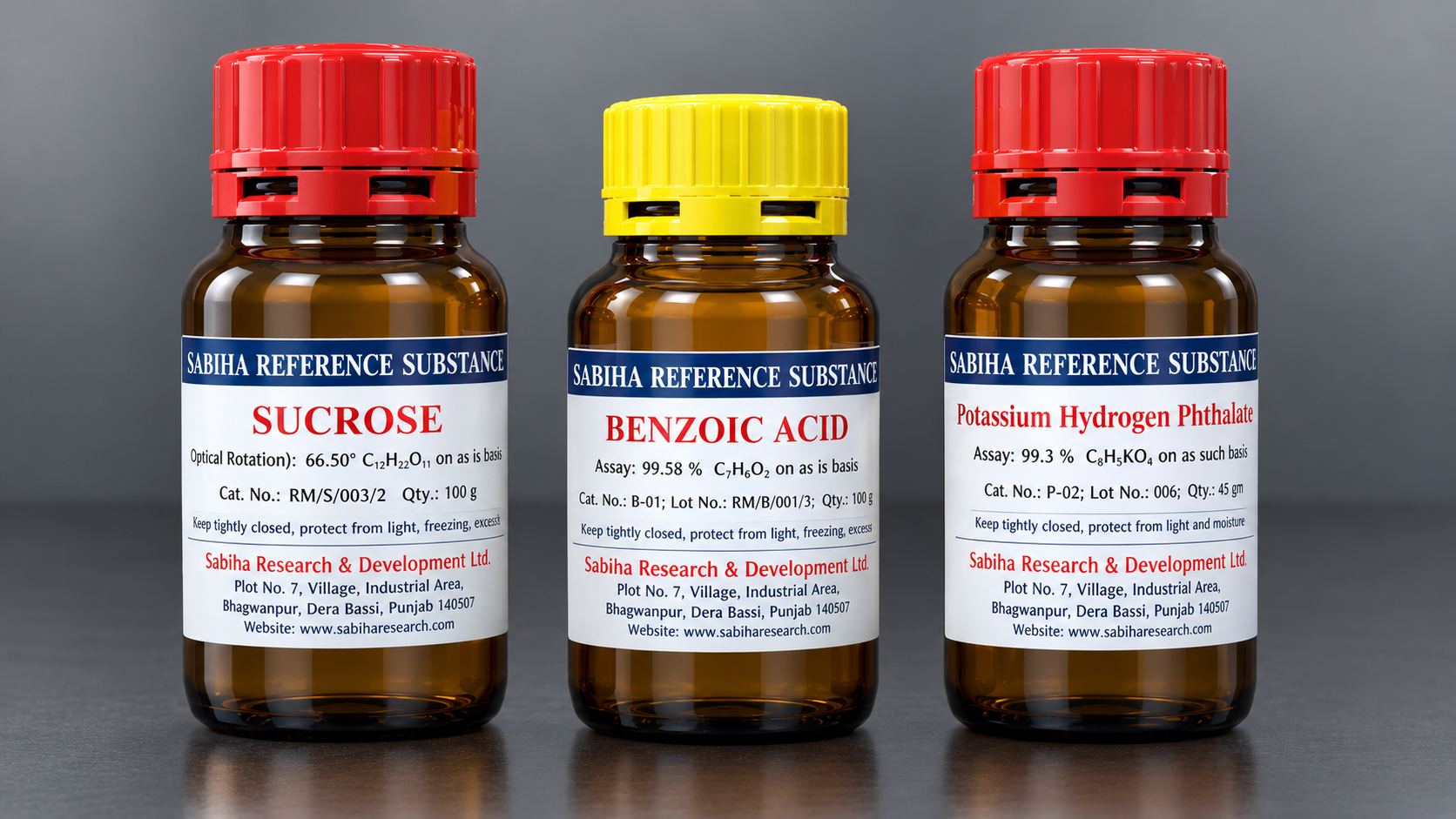
Sabiha Research & Development Ltd. provides Certified Reference Materials and analytical laboratory solutions for pharmaceutical, chemical, environmental, and research laboratories.
Our capabilities include:
- ISO 17034 Certified Reference Materials.
- GC Primary Reference Standards.
- Metal Primary Reference Standards.
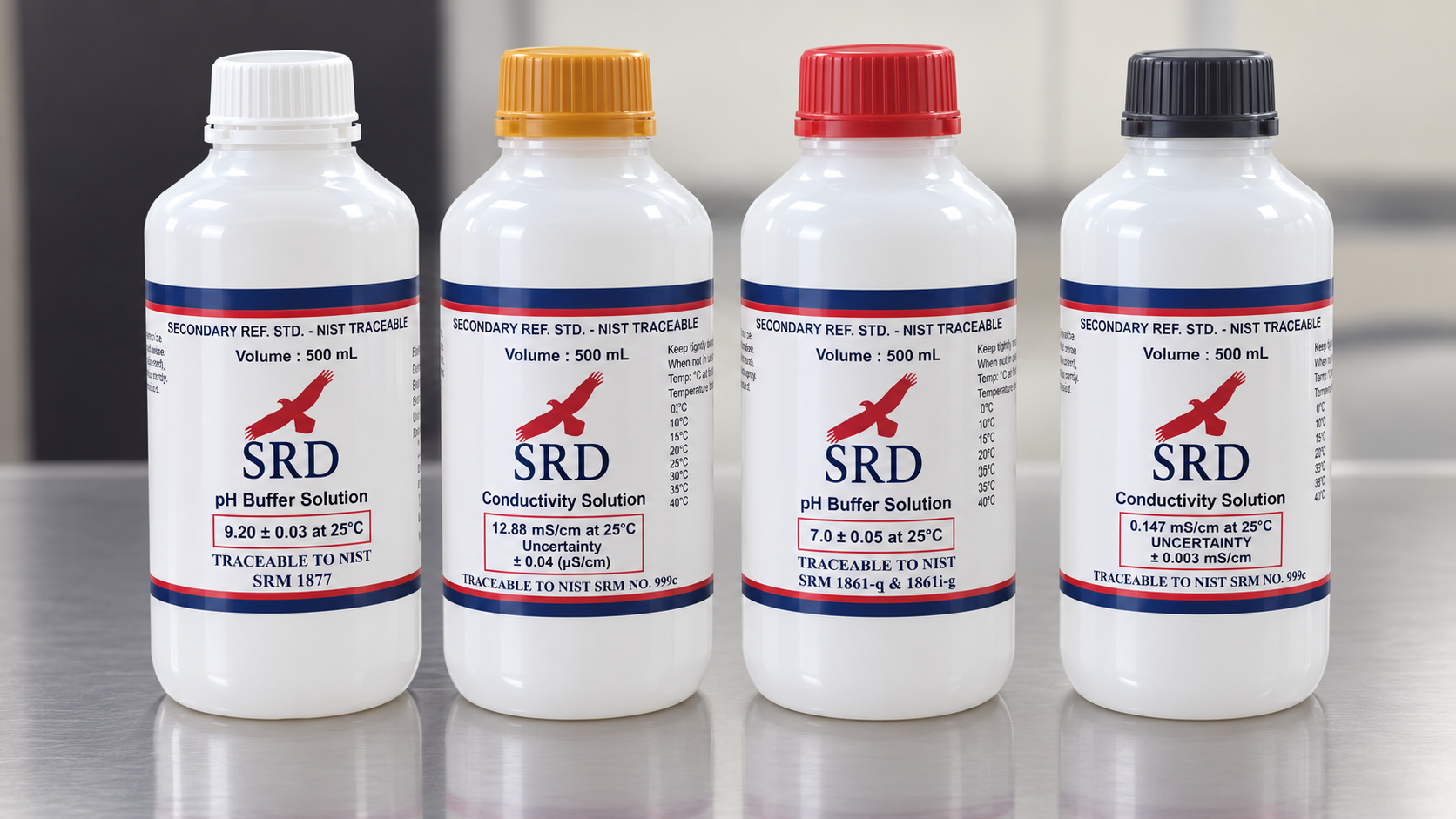
- NIST Traceable Secondary Standards.
- Analytical Testing Services.
- Method Development and Validation.
- Pharmaceutical Impurity Synthesis.
- Stability Studies.
Explore our ISO 17034 Reference Standards and GC Reference Standards to learn more about our products.